What If Your Favorite App Didn't Want Your Attention?
We know the pattern. A notification lights up the phone. We pick it up to check one thing and ten minutes later we’re still holding it, scrolling past a stranger’s opinion about a TV show we don’t watch. The phone goes back down. Nothing was decided. Nothing was said to anyone who matters. The evening is a little shorter than it was and we can’t quite remember what replaced those ten minutes.
The single bet most apps are built on
Most apps run on the same bet: if they can get you to open them, they win. Every feature is a variation on that theme. The red badge, the pull-to-refresh, the autoplay, the endless feed that never resolves. Former Google ethicist Tristan Harris and the team at the Center for Humane Technology have been writing for years about how these mechanics deliberately exploit the same vulnerabilities slot machines exploit: intermittent reward, loss aversion, social comparison. The design isn’t accidental. It’s the product.
What we lose to apps that win the session
The cost is real. The average American now spends about five hours a day on their phone and most of that is inside apps built to be hard to close. A 2023 NIH review linked heavy social media use to measurable increases in anxiety, depression and sleep disruption across age groups. Jean Twenge’s work at San Diego State on the same period came to a similar conclusion: frequent users of digital media consistently score lower on psychological well-being than light ones and the decline in adolescent well-being tracks the rise of smartphone adoption with uncomfortable precision.
But the subtler harm isn’t time. It’s what heavy use does to the brain’s baseline. Anna Lembke, who runs Stanford’s addiction medicine clinic, has described how these apps push the mind into what she calls a dopamine-deficit state: the same mechanism behind tolerance in substance addiction. The more we scroll, the more the rest of life feels dimmer by comparison. The conversation at dinner. The book. The friend who called. A mind trained to expect a bright new stimulus every few seconds has a harder time feeling anything that moves more slowly than that.
We don’t just lose time to these apps. We lose the texture of ordinary attention. The long thought that can’t survive a buzz. The friendship that needed a real reply and got a thumbs-up. An afternoon that somehow turned into seven tabs and a vague anxiety we couldn’t name.
The software that lives between us
Here’s the cruelty of it. The apps that were supposed to bring us closer, the ones called “social,” are the ones most aggressive about pulling us away from the people in front of us. A dinner with a friend competes with notifications from a stranger. A weekend outside competes with an algorithm that wants you back by Sunday night. The three-minute moment of boredom, which used to be where thoughts happened, has become a small battlefield that a dozen companies are fighting over.
We built technology to connect us and ended up with technology that lives between us. It’s part of what we explored in the friendship recession: the strange fact that we’ve never been more reachable and rarely felt more distant from the people we love.
Something quieter
So what would a different kind of software look like? Not a productivity app or a digital detox hack, but something built on a simpler premise: that the relationship happens outside the app and the app’s job is to serve it and then get out of the way.
A weekly prompt instead of a daily feed. A quiet space for the handful of people you actually want to hear from. No streaks to maintain, no red badges engineered to panic you and no metric that goes up when you open the app more often. In a good week, you barely think about it, because the conversation it helped spark is already happening at dinner, on the drive home, in your own head.
This is part of why we built Runde around a weekly rhythm. The idea was to make something that respects the cadence of real friendship instead of trying to replace it. Open it when the prompt arrives, say something honest, read what your people wrote back, close it.
Our other app, Activities Matter, runs on the same logic turned inward. A quiet journal for self-reflection, built for the kind of slow noticing that a feed would interrupt. The two apps answer different questions — what are we sharing with the people we love, what are we learning about ourselves — but they’re built on the same premise. The app isn’t the point. The thing it helps you notice is.
The third option
We’ve been told for so long that better phones mean better lives that we’ve stopped asking for the third option: a phone that asks less of us. Software that treats our attention the way a good guest treats a home, borrowed for a purpose and returned, intact.
Most of our apps wouldn’t look like apps if they were designed that way. Most of them would look like quiet.
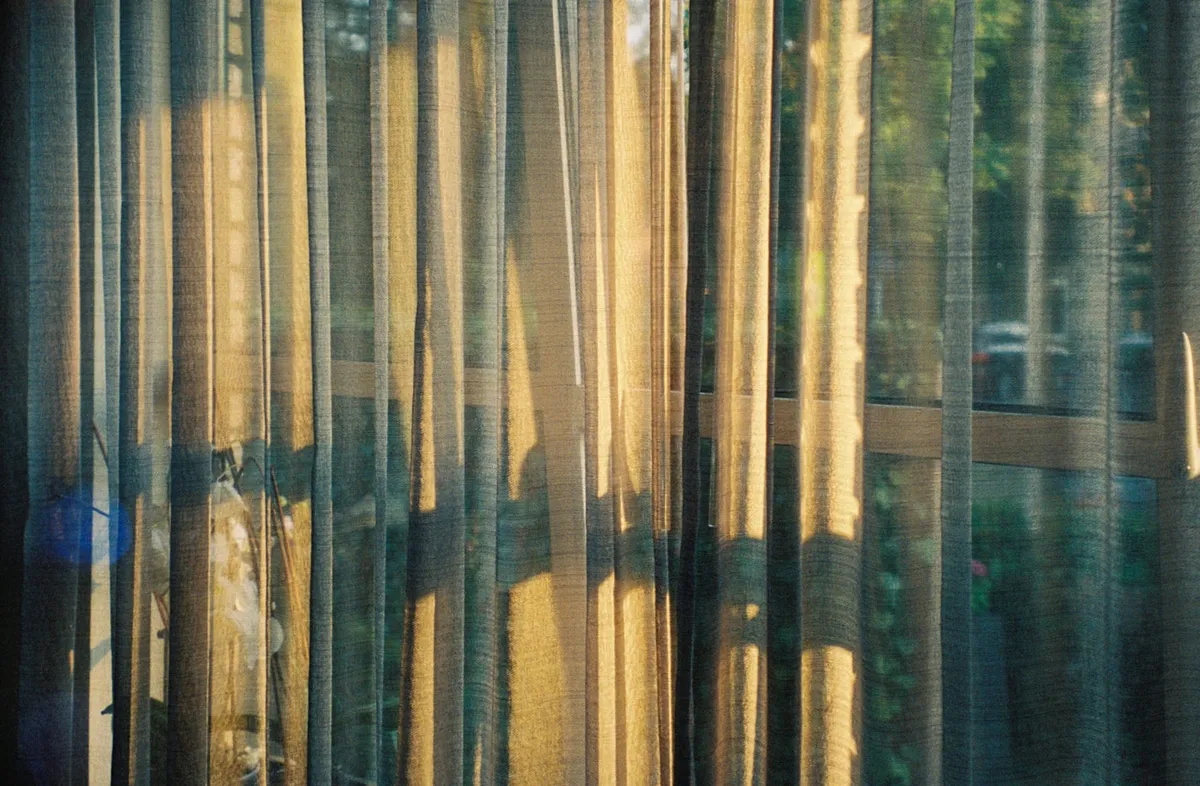
Hero image by Memories on 35mm on Unsplash.
Related Articles

Adding Stories: Five Updates a Week
I added stories to a friendship app, then spent longer than I'd admit trying not to copy the version everyone already has. Here's what I changed and the objection I couldn't engineer away.
June 6, 2026
On Streaks and Admitting We Were a Little Wrong
We wrote two posts arguing against streaks. We're adding one anyway. A reflection on the difference between an engagement trick and a small, honest nudge — and where we tried to draw the line.
May 1, 2026
The Living Room, Not the Town Square
Social media is built like a town square. A reflection on why the relationships that matter happen somewhere else and what a digital living room could actually look like.
April 22, 2026